
Choosing a coating
Epoxy vs. polyaspartic: how to compare garage floor systems
Epoxy and polyaspartic are useful terms when shopping for a garage floor, but they are only the start of the specification. The floor you buy may combine different materials across its layers. Your decision should connect the condition of the concrete, the exposure at the garage door, the available downtime and the finish you want. Here is a practical way to compare proposals without treating one product category as a universal winner.
The answer at a glance
Is polyaspartic better than epoxy for a garage floor?
Neither label is a complete specification. A floor can combine epoxy and polyaspartic layers with different roles. Compare the named products, slab suitability, exposure, finish and return-to-use instructions for your garage rather than assuming one material wins in every situation.
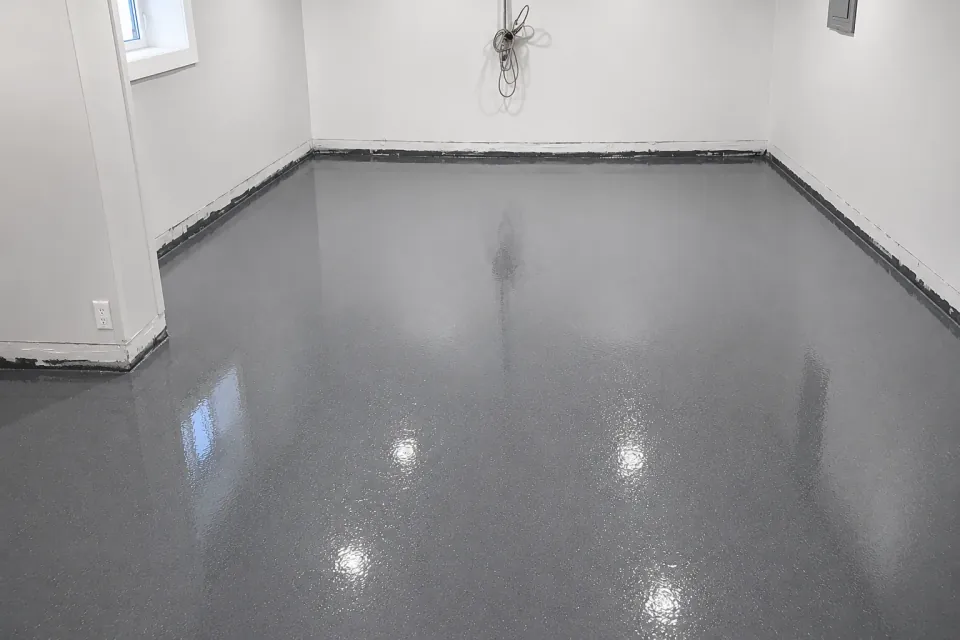
Start with the complete floor system
Ask what touches the concrete, what holds any decorative flakes, and what forms the exposed finish. Those layers may have different jobs and different product names. A contractor describing a polyaspartic finish may be talking about the topcoat rather than every layer below it. The written proposal should remove that ambiguity.
Manufacturer examples show why the distinction matters: Sika lists its epoxy Sikafloor-217 for primer, binder and topcoat applications, while its polyaspartic Sikafloor-510 N LPL can serve several roles and is commonly described as a clear finish over decorative systems. These examples explain terminology; they are not the specification for an SMA installation.
Discuss sunlight where the garage opens
Tell the estimator how often you leave the garage door open and whether direct sun reaches a strip of the floor. Include any adjoining outdoor surface as a separate part of the discussion. Ask for the proposed product's documented suitability for that exposure rather than treating an indoor garage finish as automatically suitable for a porch.
UV performance depends on the formulation. Sika describes UV resistance for its referenced polyaspartic product and enhanced resistance to colour change for the referenced epoxy. That is a reason to read the actual product information, rather than assume all epoxies or all polyaspartics behave identically. Look at samples in your own lighting when choosing a colour.
Separate faster installation from permission to park
If you need the garage back quickly, make that constraint clear before accepting the proposal. Ask for the planned work dates and the earliest approved return for walking, parking, heavy storage and washing. The coating crew leaving the site is a visible milestone, but your household needs a schedule for each activity.
The referenced manufacturer data separates foot traffic, light traffic and full cure, and ties curing guidance to conditions. Faster curing can help with scheduling, but the appropriate return to vehicle use must come from the actual system and installer. Arrange a backup parking option if conditions require the handover time to move.
Choose the surface for how you use the space
Describe the everyday tasks you expect the floor to support: parking a wet vehicle, wheeling a storage cart, kneeling beside a bicycle or sweeping workshop debris. Ask to see a finish sample and discuss texture as well as colour. A photograph can show a pattern, but it cannot tell you how that surface feels under a hand or shoe.
Ask specifically about wet conditions and the proposed approach to traction. A decorative flake appearance alone is not a promise that the floor will prevent slipping. Also ask what cleaning tools and products suit the finish, so your expectations about maintenance are part of the choice before work begins.
Keep preparation in the comparison
A material comparison is incomplete when the quotes assume different work on the existing slab. Ask both contractors to address the same old coating, oil marks, damaged areas and water history. Request an explanation of any additional assessment needed before the floor system can be confirmed.
Make the proposal easy to revisit by asking for a short scope, rather than relying on terms such as premium or industrial. You should be able to identify the preparation, repair allowance, named layers, finish choice and exclusions. If a system is recommended, ask which feature of your garage or schedule drove that recommendation.
- Which products are proposed for the base and exposed finish?
- What supports their suitability for the expected exposure and use?
- What are the separate return-to-use milestones?
- What care instructions and written warranty terms accompany the system?
Your questions, answered
Is polyaspartic always better than epoxy?
There is no useful universal winner. Compare the specified products and layers against the slab, exposure, timing, appearance and use of your garage.
Can one floor contain both epoxy and polyaspartic?
A proposal may use different materials in different layers. Ask the installer to confirm the complete compatible system and provide the specification for your project.
Will a flake floor be completely non-slip?
Do not treat a flake pattern as a guarantee against slipping. Discuss texture, wet use and cleaning, and ask about the documented performance of the proposed finish.
Further reading & technical references
These manufacturer references explain general principles and product-specific requirements. They do not imply that SMA uses or represents these products. Confirm the specification for your own project.
Put the advice into practice.
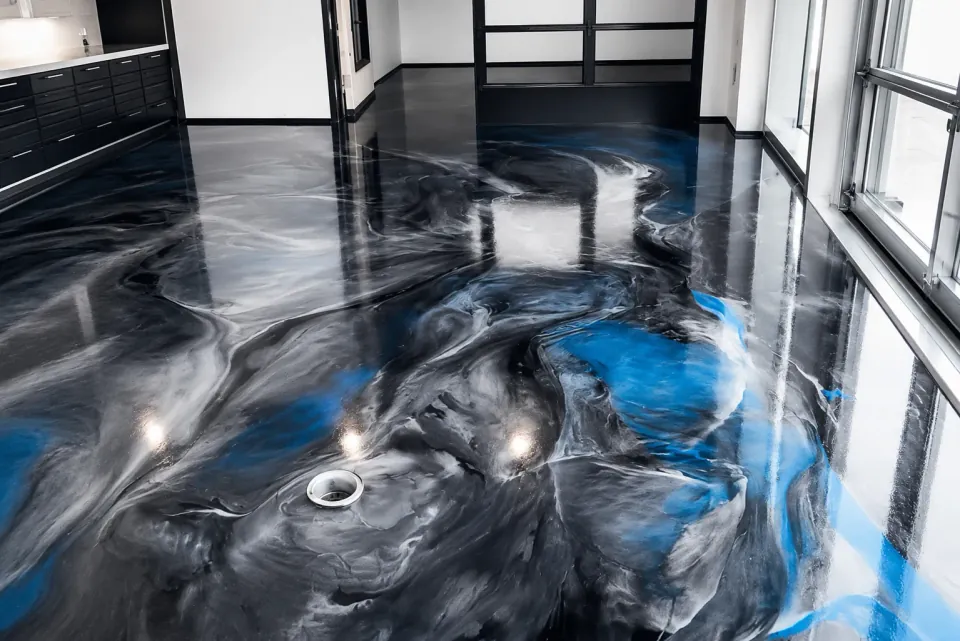
Garage Epoxy Flooring
Explore garage epoxy flooring with SMA Surface Solutions across Mississauga, Oakville, Toronto, Burlington and Milton. Plan preparation, finishes and access.
Explore this service →Polyaspartic Garage Flooring
Compare polyaspartic garage flooring options with SMA Surface Solutions in the GTA. Understand system choices, preparation and realistic return-to-use planning.
Explore this service →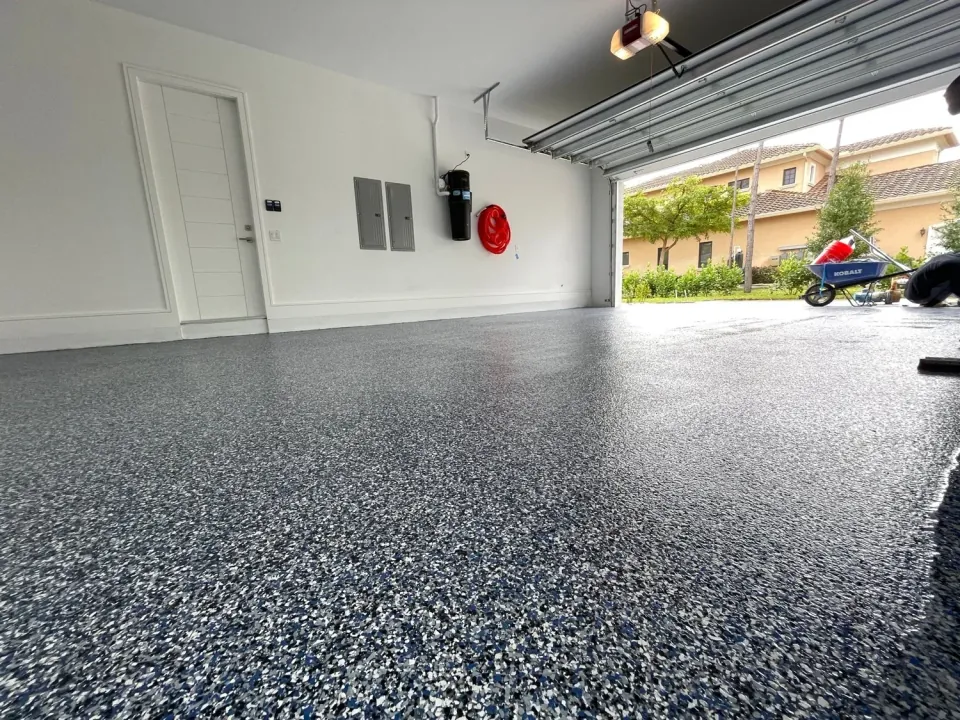
Epoxy Flake Flooring
Plan an epoxy flake floor with SMA Surface Solutions. Explore decorative choices, texture, edge details and preparation for garages and other concrete spaces.
Explore this service →The SMA approach
Your floor.
Our commitment.
We prefer polyaspartic systems, value your time and back our work with a five-year warranty.
Polyaspartic, chosen for your space
Our preferred option for suitable projects, with the system matched to your surface and how you use it.
Explore polyaspartic flooring →02 · Respect for your timeEfficient work. Less disruption.
We value speed because your home needs to keep working. Discuss access and return-to-use timing as part of your project.
Plan your garage downtime →03 · Trust in the workA five-year warranty
We offer a five-year warranty. Confirm the coverage, care requirements and terms for your installation with your quote.
Discuss your project →Your next project
Let’s plan your floor.
Tell us about the surface, your city and the finish you have in mind. We’ll help you work out the next step.
Keep exploring.
Choosing your installer
How to choose an epoxy flooring contractor in the GTA
Compare epoxy flooring contractors by preparation, project photos, coating specifications, scheduling and warranty terms. Meet SMA’s approach to your floor.
Read the guidePlanning your investment
Is garage floor coating worth it? DIY vs. hiring an installer
Decide whether professional garage floor coating suits your goals. Compare preparation, equipment, time, finishes and responsibility with a DIY project.
Read the guide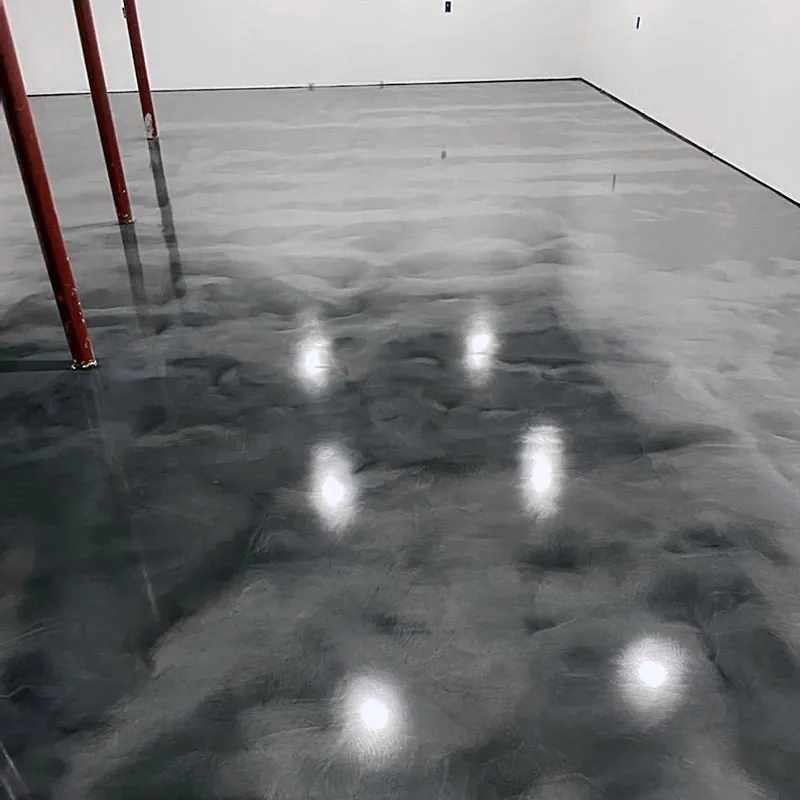
Basement planning
Basement epoxy flooring: what to check about moisture first
Planning a basement epoxy floor? Learn what moisture history to share, what an assessment should clarify and how to plan around utilities and storage.
Read the guide