
Installation planning
When can you walk and park on a newly coated garage floor?
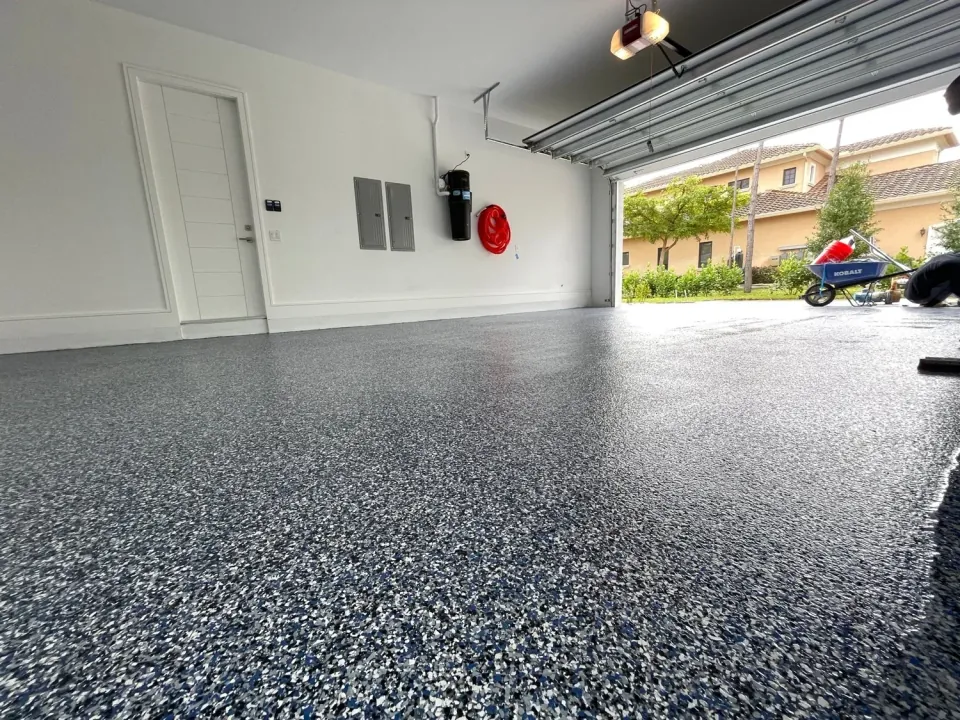
The most useful answer to how long a garage coating takes to cure is a written return-to-use schedule for your installed system. A floor can reach one milestone before it is ready for another. Walking across it, rolling in a vehicle and washing it should not be treated as interchangeable. Plan for the installation and the waiting period together, and ask for the final guidance when the work is complete.
The answer at a glance
When can I walk and park on a newly coated garage floor?
Use the installer’s written return-to-use schedule for the specific products and site conditions. Walking, parking, heavy storage and full cure are separate milestones. A claim about installation taking one day does not, by itself, mean the garage can accept a vehicle the next morning.
Understand what each timing label means
Installation time describes the work on site. A recoat window describes when the next layer can be applied. Foot traffic, light traffic and full cure are separate terms in manufacturer data. Do not translate light traffic into permission to park your particular vehicle without asking the installer what the term means for the specified system.
For example, Sika's Sikafloor-217 data distinguishes traffic stages from full cure and explains that the full mechanical, chemical and physical properties develop at full cure. The practical takeaway is to request an activity-based schedule, with ordinary language such as walking, parking and cleaning, alongside any technical timing terms.
Ask which conditions the schedule assumes
A product data sheet gives conditions for its timing information. It does not measure your garage. The referenced Sika polyaspartic data identifies air and substrate temperature, humidity and condensation controls among the application considerations. Your contractor should use the requirements of the actual products and the observed site conditions when setting the plan.
Tell the contractor whether the garage is heated and explain any access limits that affect the work. Avoid changing heating, ventilation or the garage door position on your own during installation and curing. Ask for specific instructions, including what to do overnight, so household routines do not conflict with the agreed conditions.
Plan parking and storage before the floor is coated
Choose where vehicles, bikes, bins and the items normally stored on the floor will go. Move anything you need during the waiting period to a place you can reach without crossing the garage. Chargers, work shoes, pet supplies and tools are easy to overlook when the focus is on clearing large furniture.
Reserve enough flexibility that a revised handover does not force you to use the floor early. If you book temporary storage, ask how extensions work. If parking outside requires an arrangement at your property, make it before installation day. This is especially helpful when the garage is your usual route into the house.
Get a clear handover before resuming use
Ask for the date and time of the final application and a written schedule that reflects the completed work. Save the message where everyone in the household can find it. A spoken instruction given while equipment is being packed away can easily be remembered differently by the person returning home later.
Mention your specific loads rather than asking only when the floor is ready. A rolling tool chest, a heavy fixed shelf and a car create different practical questions. Confirm whether mats or protective coverings are suitable and when they can be placed. Use the installer's directions for the finish you received.
- When may people and pets enter the garage?
- When may vehicles return, and are there initial restrictions?
- When may shelving, appliances and workshop equipment be moved back?
- When may the floor get wet or be cleaned?
- Who should you contact if the surface or conditions raise a concern?
Ask before changing the plan
If you need unexpected access, call the installer instead of testing the floor by walking or driving onto it. A surface that appears dry is not your return-to-use instruction. Explain what you need to move, where it is and when it is needed; the contractor can tell you whether the current schedule allows it.
If you notice an unusual surface condition, take a photograph from an accessible location and send it with the time you noticed it. Avoid experimenting with cleaners, extra heat or a covering to correct it. A precise report gives the installer a better starting point than an attempted repair that changes the surface.
The manufacturer links below are examples of how cure information is presented. They do not promise a cure time for every epoxy or polyaspartic floor, and they do not identify which system SMA will propose for your project. Ask for that specification and its care guidance with your estimate.
Your questions, answered
Does a one-day installation mean I can park that evening?
Not automatically. Installation duration and approved vehicle return are different milestones. Use the written schedule for the finished system.
Can I tell whether a coating has cured by touching it?
Touch is not a substitute for the installer's return-to-use guidance. Follow the schedule based on the installed products and site conditions.
Should I heat the garage to speed things up?
Ask the installer before changing the conditions. Follow the heating and ventilation directions provided for the actual coating work.
Further reading & technical references
These manufacturer references explain general principles and product-specific requirements. They do not imply that SMA uses or represents these products. Confirm the specification for your own project.
Put the advice into practice.

Garage Epoxy Flooring
Explore garage epoxy flooring with SMA Surface Solutions across Mississauga, Oakville, Toronto, Burlington and Milton. Plan preparation, finishes and access.
Explore this service →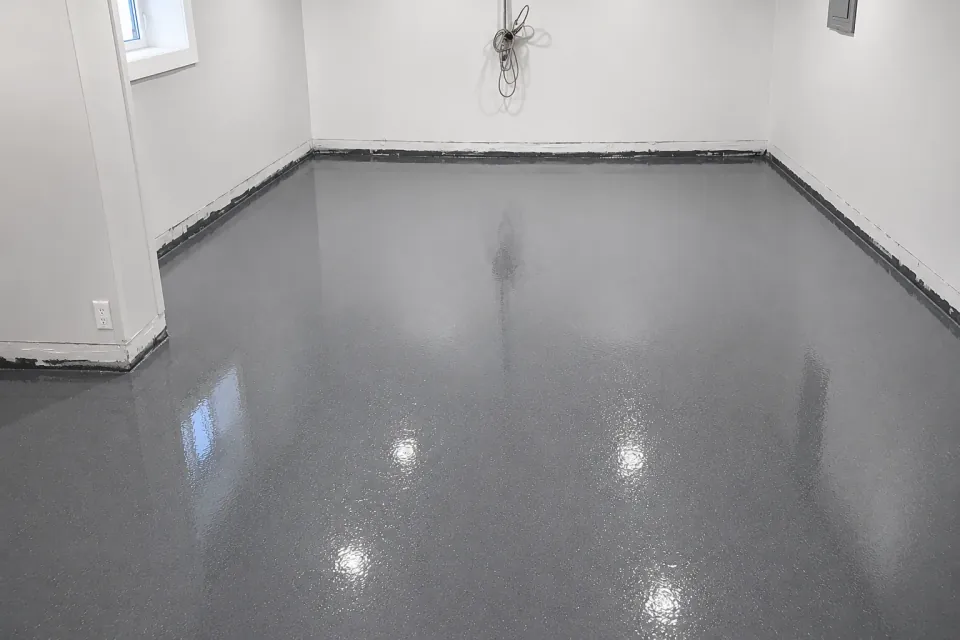
Polyaspartic Garage Flooring
Compare polyaspartic garage flooring options with SMA Surface Solutions in the GTA. Understand system choices, preparation and realistic return-to-use planning.
Explore this service →The SMA approach
Your floor.
Our commitment.
We prefer polyaspartic systems, value your time and back our work with a five-year warranty.
Polyaspartic, chosen for your space
Our preferred option for suitable projects, with the system matched to your surface and how you use it.
Explore polyaspartic flooring →02 · Respect for your timeEfficient work. Less disruption.
We value speed because your home needs to keep working. Discuss access and return-to-use timing as part of your project.
Plan your garage downtime →03 · Trust in the workA five-year warranty
We offer a five-year warranty. Confirm the coverage, care requirements and terms for your installation with your quote.
Discuss your project →Your next project
Let’s plan your floor.
Tell us about the surface, your city and the finish you have in mind. We’ll help you work out the next step.
Keep exploring.
Choosing your installer
How to choose an epoxy flooring contractor in the GTA
Compare epoxy flooring contractors by preparation, project photos, coating specifications, scheduling and warranty terms. Meet SMA’s approach to your floor.
Read the guidePlanning your investment
Is garage floor coating worth it? DIY vs. hiring an installer
Decide whether professional garage floor coating suits your goals. Compare preparation, equipment, time, finishes and responsibility with a DIY project.
Read the guide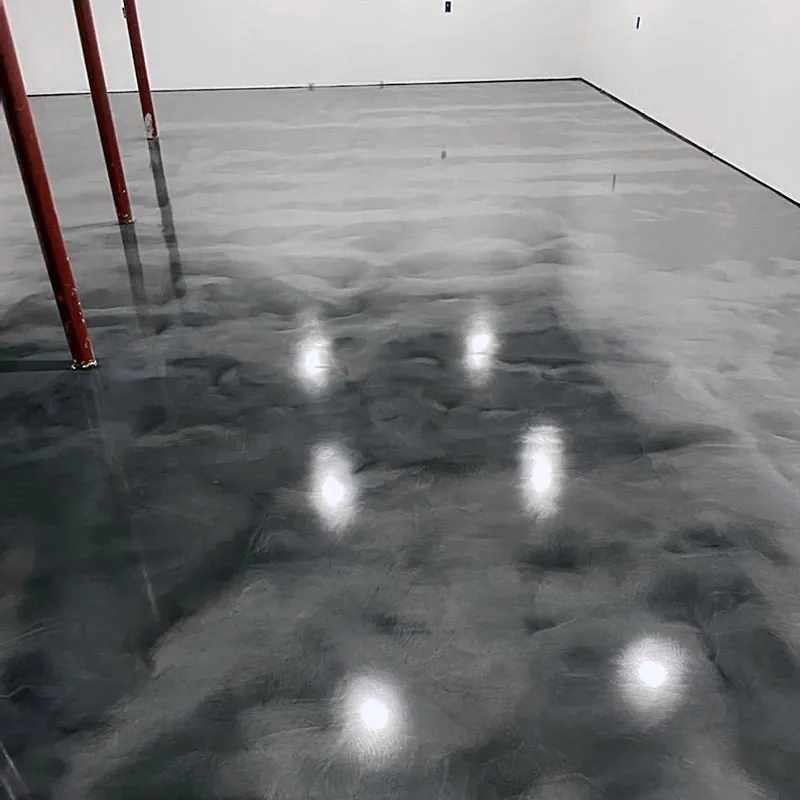
Basement planning
Basement epoxy flooring: what to check about moisture first
Planning a basement epoxy floor? Learn what moisture history to share, what an assessment should clarify and how to plan around utilities and storage.
Read the guide