
Floor care
Winter care for a coated garage floor
A coated garage still needs a winter care routine. Snow on a vehicle, gritty footwear and items moved in and out of storage all create cleanup tasks. Start with the care instructions for your actual finish, then build a simple routine around the way your household uses the garage. The aim is to keep the floor usable, notice problems early and avoid turning an ordinary cleaning job into an untested treatment.
The answer at a glance
How do I care for a coated garage floor through an Ontario winter?
Follow the care instructions for the installed system, remove loose grit and deal with meltwater and spills promptly. Ask which cleaning products, tools and mats are compatible. A coating does not eliminate winter housekeeping or make every de-icer suitable for the finish.
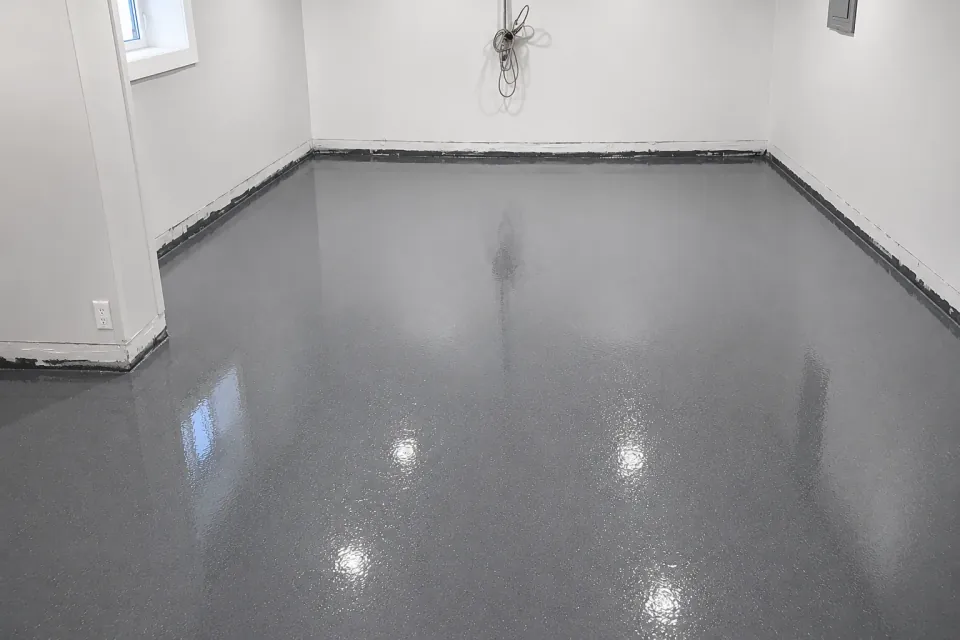
Set up a small cleaning station
Keep the tools approved for your floor somewhere you can reach without moving the car. A designated place for the cleaner, cleaning tool and a container for collected debris makes short cleanups easier. Label the cleaner with its dilution directions and keep the original container available so anyone helping can check the instructions.
Decide where wet boots, a snow brush and outdoor equipment will go when they come inside. If you want a mat or containment tray, ask the installer which options are compatible with the coating. Think about whether you can remove and clean it easily, and how it will affect the walking route through the garage.
Use the manufacturer guidance for routine cleaning
Sika's maintenance guide recommends regular removal of dirt and debris, prompt attention to spills, and suitable neutral or mildly alkaline cleaners. It also warns that abrasive tools can scratch or dull a finish. Apply those principles through the instructions for your own floor: confirm the cleaner and tools rather than assuming a household product is suitable.
Start with loose debris, then clean the affected area using the approved method. Remove the dirty solution and allow the area to dry as directed. Schedule the work for a time when people will not be walking through the wet area. If the garage gets dirty again quickly, shorter cleanups may fit your routine better than an occasional major wash.
Treat slush and residue as separate tasks
After a wet or snowy trip, check where water collects around the parked vehicle and along the normal walking path. Use the approved cleanup method and keep that path clear. Notice recurring puddles or water entering at the door, and document their location. That information is useful if you later discuss drainage or an entry problem with a contractor.
If a residue remains after the water is removed, identify the approved cleaning approach before scrubbing harder. Tell the installer what has been tracked inside and what cleaner you have already used. Do not assume that a chemical-resistance claim permits every de-icer, concentration or cleaning mixture to remain on the surface indefinitely.
Respond to marks without guessing at a treatment
For a tyre mark, stain or unknown patch, take a clear photograph and record when it appeared. Check the care sheet for an approved treatment. If there is no guidance for that substance, ask before using a stronger chemical or an abrasive pad. Keep track of the product name and dilution when you describe what you have tried.
Move stored equipment with care and avoid dragging heavy objects across the finish. Sika's maintenance guidance specifically addresses avoiding scratches during placement of equipment and furniture. For your garage, plan how a tool cabinet, snowblower or storage rack will be moved, and ask about suitable protection for the load before reorganizing the room.
Inspect after cleanup and when the season changes
Once the floor is clean and dry, look at the doorway, parking areas, steps and edges. Compare any concern with earlier photos, especially if you see a new crack, lifting edge or a change that remains after cleaning. A quick visual record is useful because lighting and surface dirt can make the same area look different from week to week.
Send the installer a wide photograph showing the location and a closer view of the detail. Include whether it appeared suddenly, followed a spill or has changed over time. Ask whether it needs assessment before touching up the finish. A repair product chosen only by colour may not match the existing system.
- Keep the installed system details and care instructions together.
- Check the main walking route after wet vehicles arrive.
- Use the approved cleaner and tools at the instructed dilution.
- Record persistent marks or surface changes before attempting repairs.
Your questions, answered
Can I use road salt or a de-icer directly on the coating?
Check with the installer or coating manufacturer about the specific product. Suitability depends on the installed finish and the chemical; do not assume all de-icers are interchangeable.
Is pressure washing the best way to clean it?
Ask whether pressure washing is approved for your system and garage. Follow the care instructions rather than choosing pressure or equipment settings by guesswork.
Will a coating stop water from collecting near the door?
Do not assume it will. Describe water entry and puddling when requesting an estimate so drainage, surface shape and coating scope can be discussed separately.
Further reading & technical references
These manufacturer references explain general principles and product-specific requirements. They do not imply that SMA uses or represents these products. Confirm the specification for your own project.
Put the advice into practice.
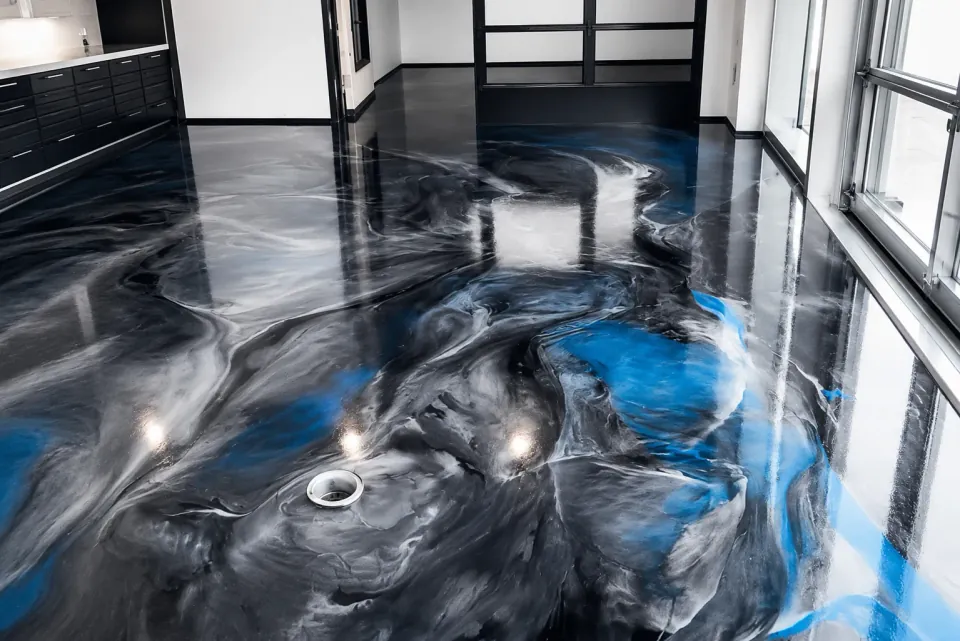
Garage Epoxy Flooring
Explore garage epoxy flooring with SMA Surface Solutions across Mississauga, Oakville, Toronto, Burlington and Milton. Plan preparation, finishes and access.
Explore this service →Polyaspartic Garage Flooring
Compare polyaspartic garage flooring options with SMA Surface Solutions in the GTA. Understand system choices, preparation and realistic return-to-use planning.
Explore this service →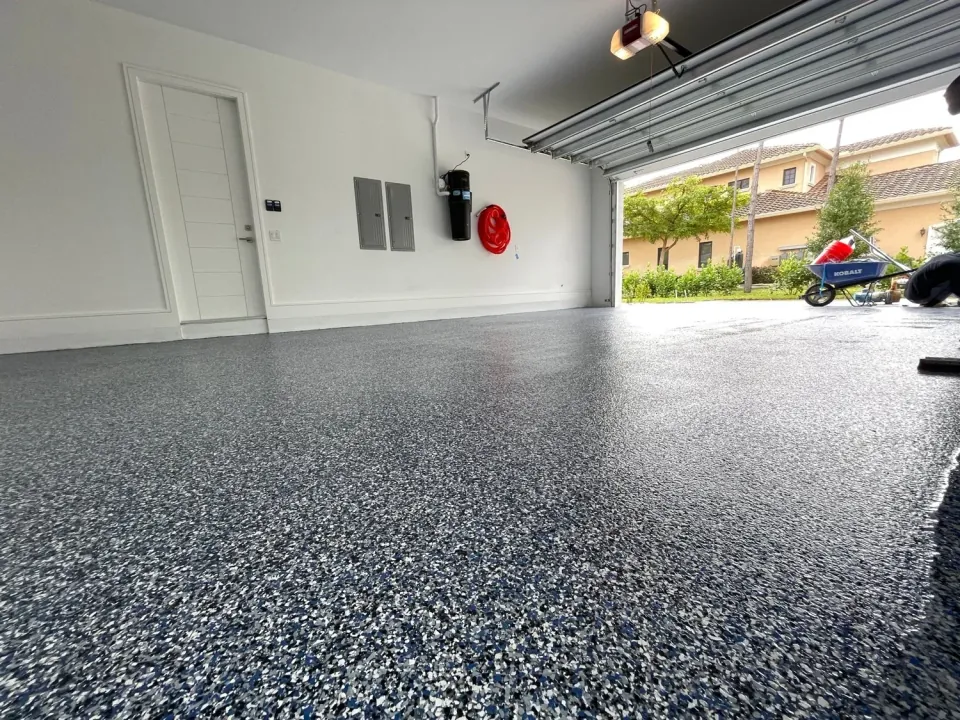
Epoxy Flake Flooring
Plan an epoxy flake floor with SMA Surface Solutions. Explore decorative choices, texture, edge details and preparation for garages and other concrete spaces.
Explore this service →The SMA approach
Your floor.
Our commitment.
We prefer polyaspartic systems, value your time and back our work with a five-year warranty.
Polyaspartic, chosen for your space
Our preferred option for suitable projects, with the system matched to your surface and how you use it.
Explore polyaspartic flooring →02 · Respect for your timeEfficient work. Less disruption.
We value speed because your home needs to keep working. Discuss access and return-to-use timing as part of your project.
Plan your garage downtime →03 · Trust in the workA five-year warranty
We offer a five-year warranty. Confirm the coverage, care requirements and terms for your installation with your quote.
Discuss your project →Your next project
Let’s plan your floor.
Tell us about the surface, your city and the finish you have in mind. We’ll help you work out the next step.
Keep exploring.
Choosing your installer
How to choose an epoxy flooring contractor in the GTA
Compare epoxy flooring contractors by preparation, project photos, coating specifications, scheduling and warranty terms. Meet SMA’s approach to your floor.
Read the guidePlanning your investment
Is garage floor coating worth it? DIY vs. hiring an installer
Decide whether professional garage floor coating suits your goals. Compare preparation, equipment, time, finishes and responsibility with a DIY project.
Read the guide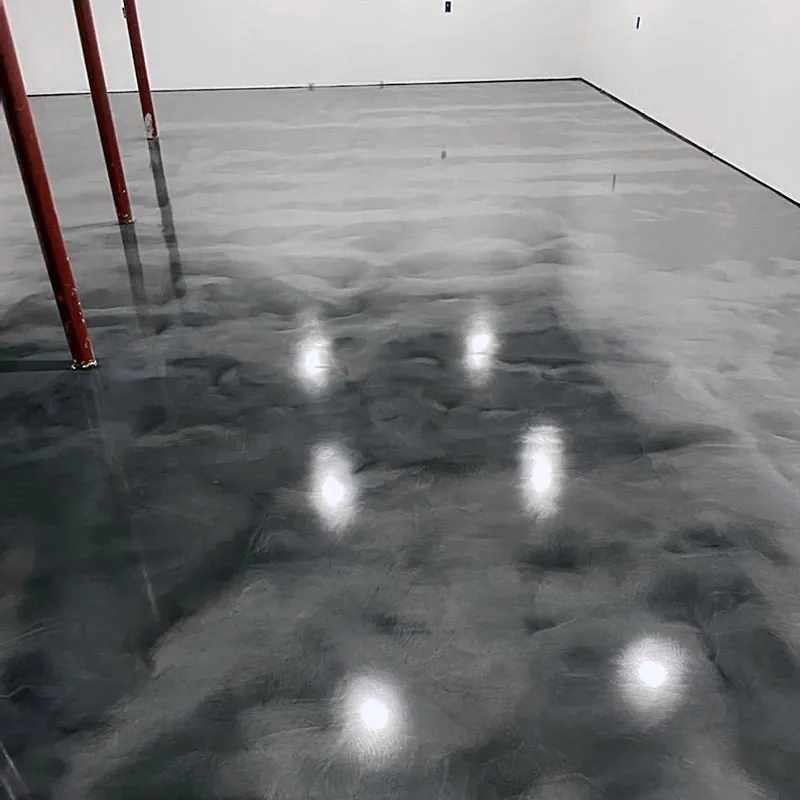
Basement planning
Basement epoxy flooring: what to check about moisture first
Planning a basement epoxy floor? Learn what moisture history to share, what an assessment should clarify and how to plan around utilities and storage.
Read the guide